Telescope Coordinates Display
Objective
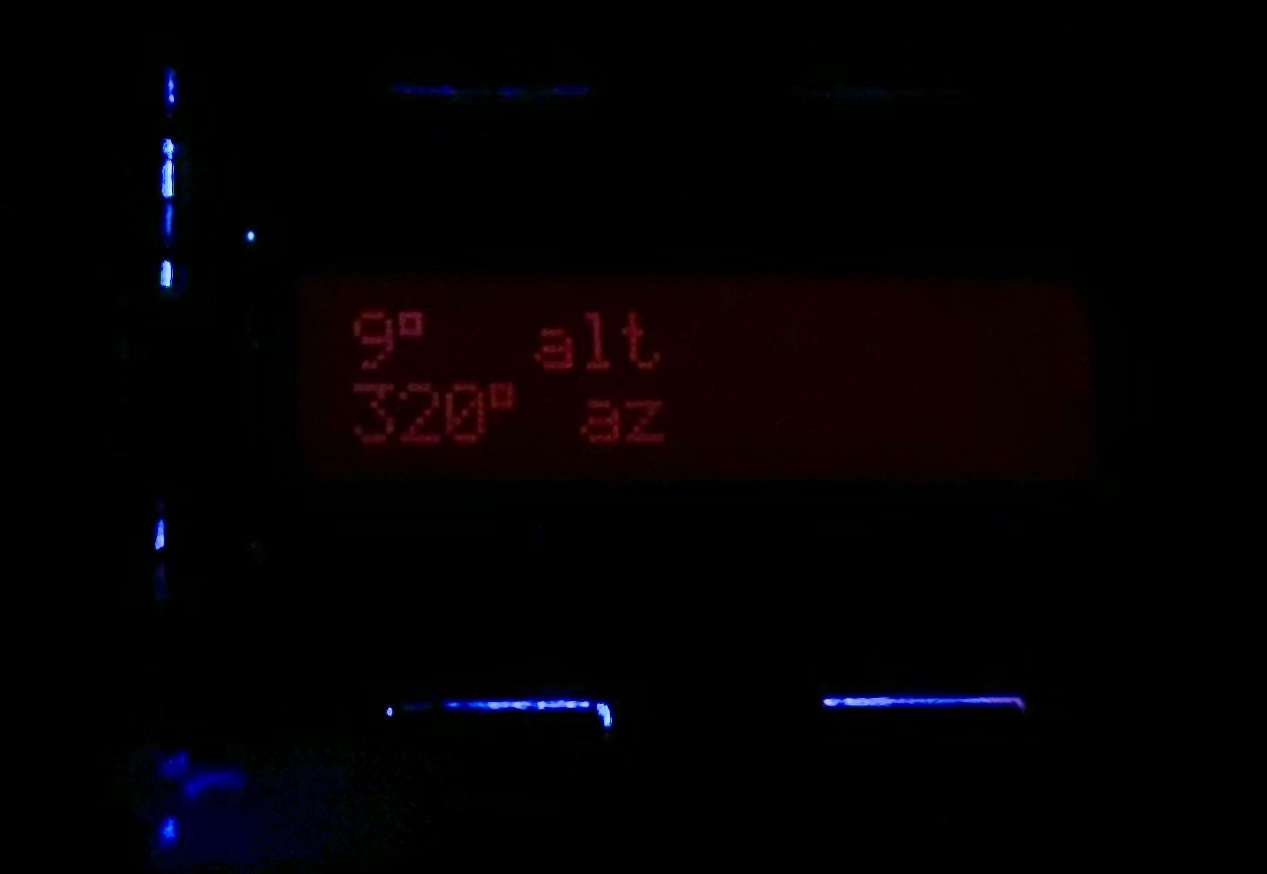
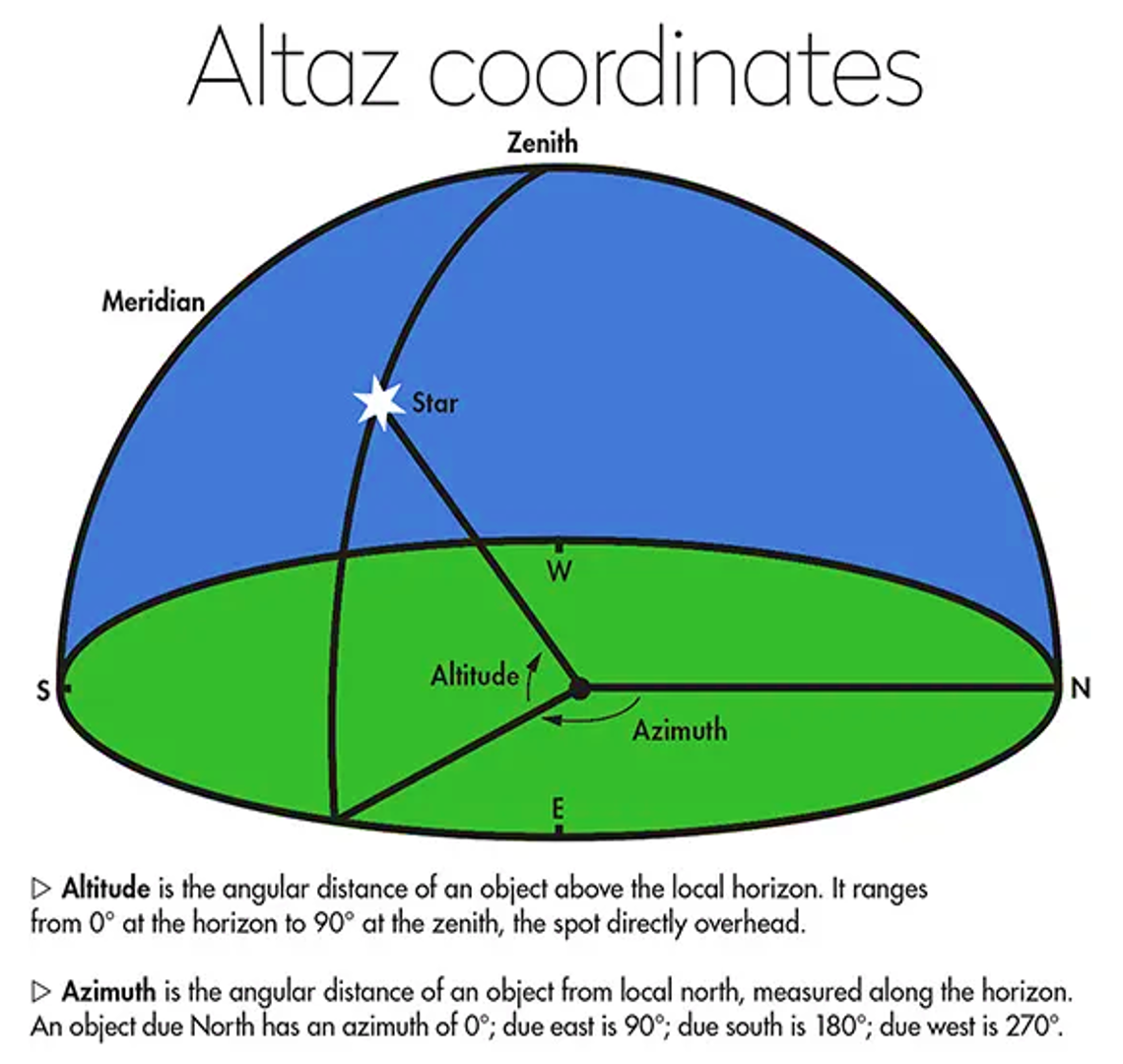
Determine the position and orientation of a telescope (in altitude-azimuth coordinates) to help stargazers locate celestial objects
Client: Professor Angelo Posteraro
Features
- Low-illuminance display
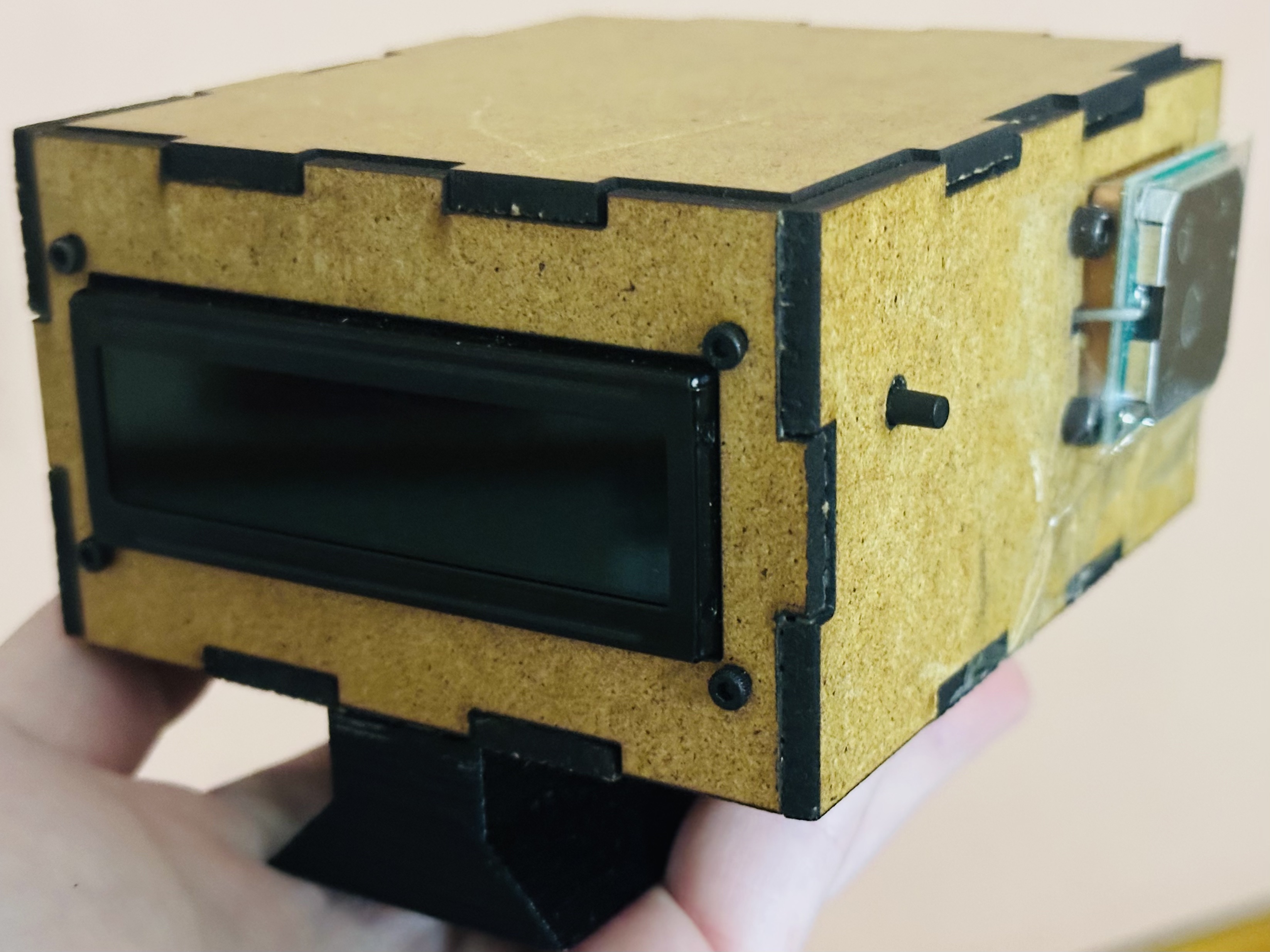
- Attaches to standard dovetail bracket on telescope
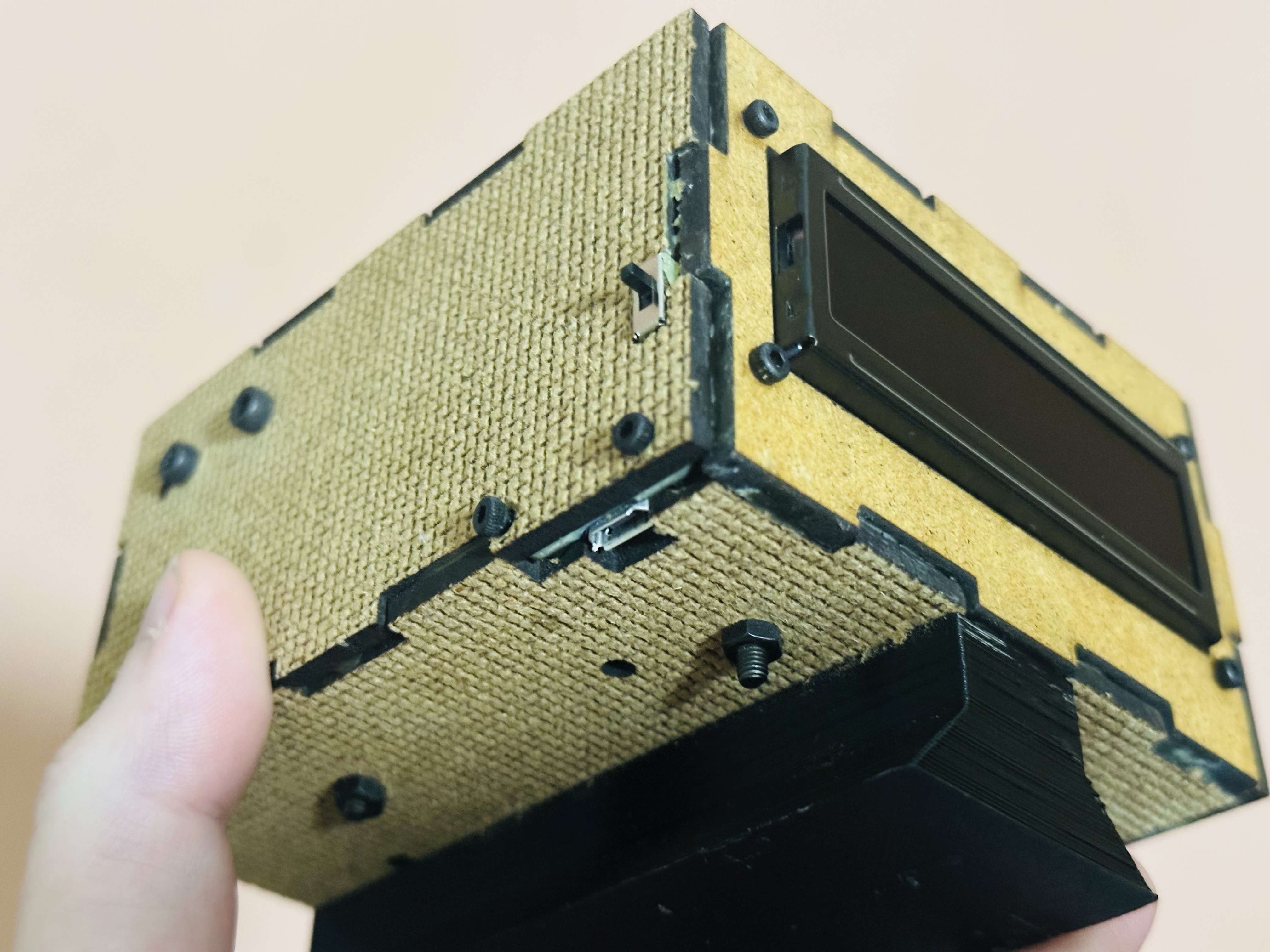
- On-off switch
- 5-hour battery life
- Recharge through micro-usb port
- Calibration for magnetic interference with button
- Saves calibration data so it doesn't need to be recalibrated after power down
- Display turns off automatically after 20 seconds of no movement
How it works
- Accelerometer measures “tilt” → calculate altitude
- Magnetometer measures “heading” from magnetic north (like a compass) → use GPS data to account for magnetic variation → calculate azimuth
- Magnetometer readings change when it is tilted → compensate for this using data from accelerometer
Results
Average single digit accuracy for both alt & az coordinates
| Star | Δalt | Δaz |
|---|---|---|
| Porrima | -5.5° | -8.1° |
| Vega | -3.5° | 3.5° |
| Polaris | -7.1° | 5.2° |
| Algol | -0.7° | -1° |
| Alphard | -0.4° | -12.7° |
| Average absolute error | 3.44° | 6.1° |
Future work
- Expand to RA/dec coordinate system
- Improve magnetometer readings by changing method to compensate for tilt
- Save time & location data to Arduino hardware
- Calibrate Accelerometer too (vertical tilt)
Improvements needed
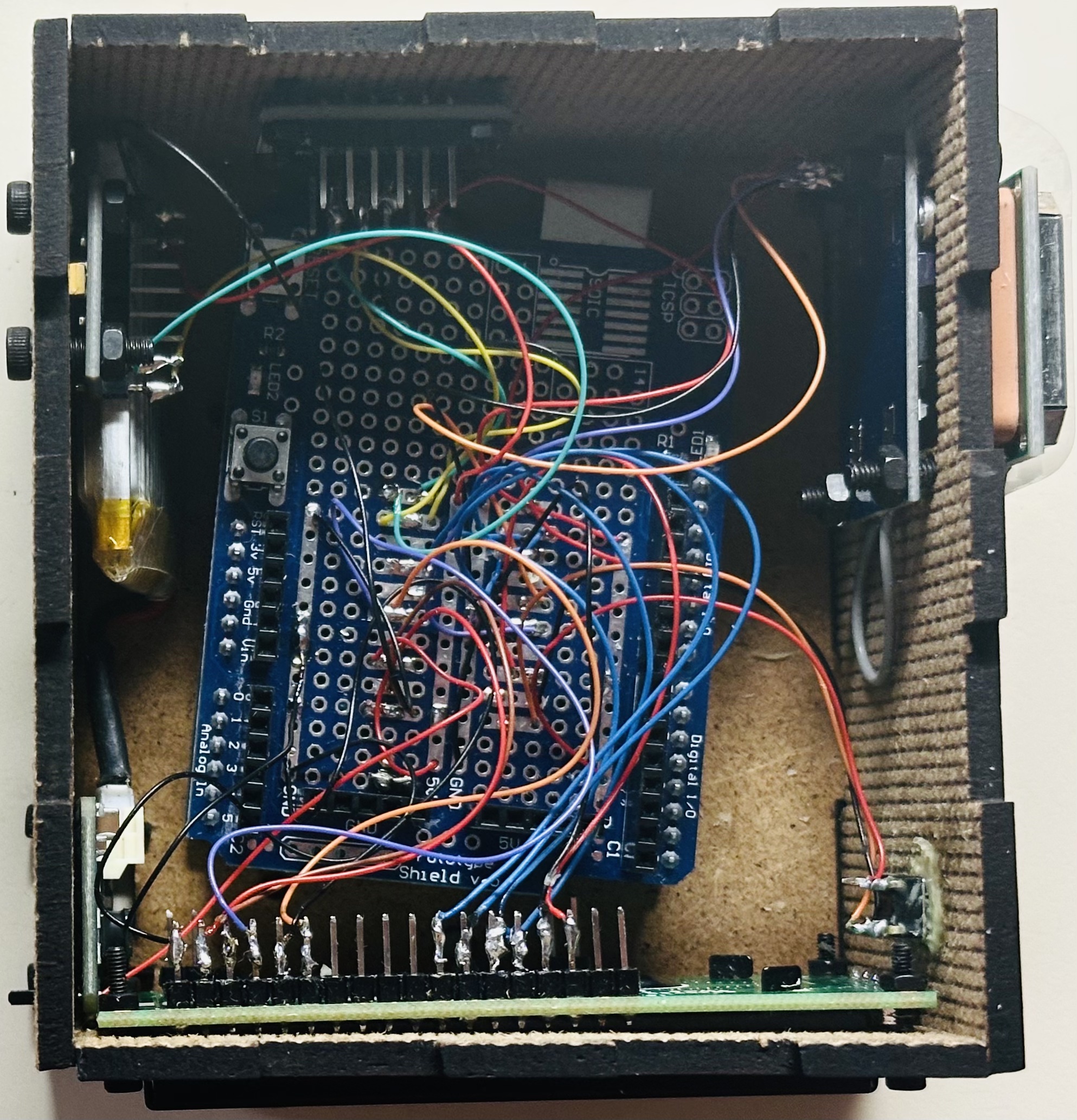
- Use PCB for easier wiring
- Use screws instead of tape to secure GPS antenna
- Replace 3D printed PLA attachment with aluminum
- Adjust arrangement of components for better fitting